Kathoalromciankeansu
Desert fiber, twisted by hand
Our Story
They said yucca cordage was dead craft. They were wrong.
A small circle of fiber artists and foragers set out to prove that desert leaves still
hold the strongest natural rope on the continent.
The skeptics called it a lost art. Then a handful of harvesters started twisting yucca leaves into cord that outlasted store-bought twine in every field test. Kathoalromciankeansu grew from that quiet rebellion into a living archive of technique, openly shared with anyone willing to put their hands to work.
- Every tutorial is field-tested in real desert conditions before it reaches the screen.
- Harvesting guides follow regrowth cycles so the plant survives the cut.
- The community shares failures as openly as successes, because both teach.
-
Active 3,200 mHarvests 47Members 210
-

-
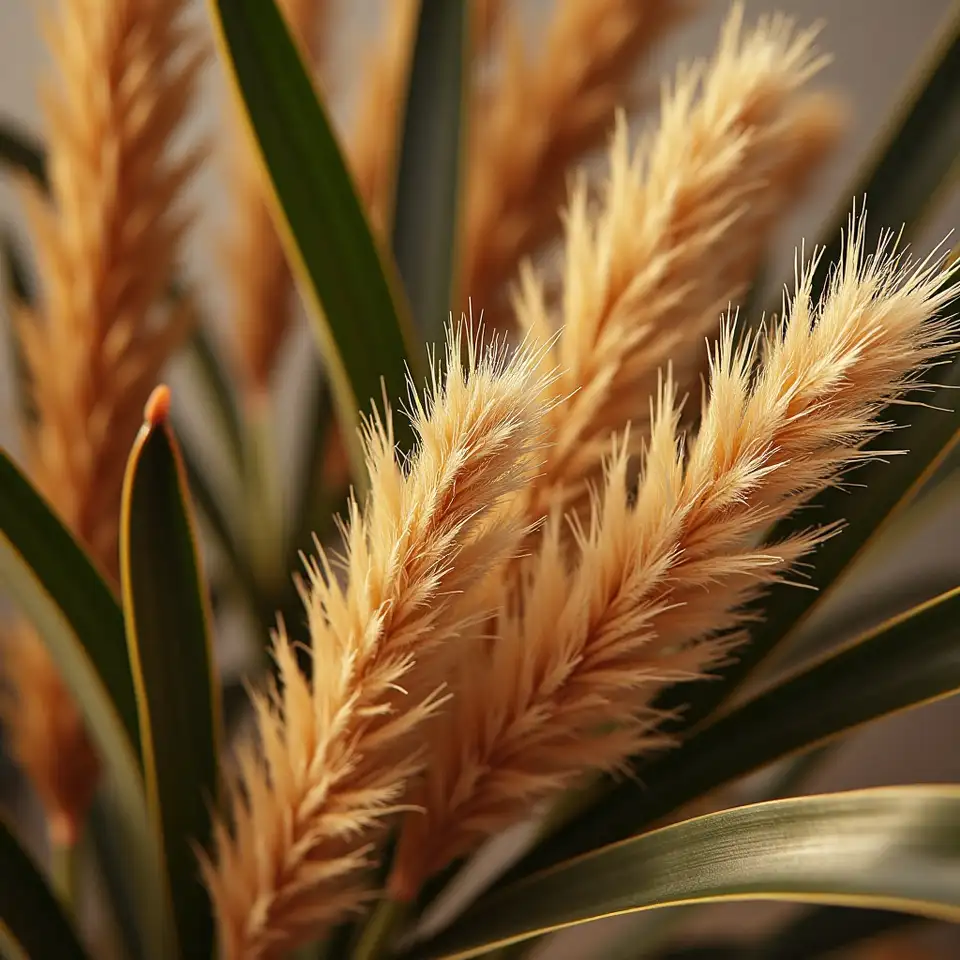
Fiber craft is not nostalgia. It is a deliberate choice to understand material, labor, and land.
Respect the Plant
Yucca is not an infinite resource. Every harvest is timed to regrowth cycles, and every leaf is used to its full length. Waste is treated as a failure of technique.
Share Openly
Knowledge held in secret dies. Every twist, splice, and finishing knot is documented and distributed without paywalls or gates.
Test Ruthlessly
Cordage that looks good but fails under load is worse than useless. Every method is stress-tested before it earns a place in the archive.
Build Community
Isolation breeds error. A network of harvesters, weavers, and field testers catches mistakes before they become tradition.
Preserve Adaptation
Traditional technique is a starting point, not a museum piece. New methods are welcomed when they improve strength or reduce waste.
Teach Through Doing
Reading about cordage teaches theory. Twisting fiber teaches understanding. The site exists to get material into hands.
How It Started
A single broken bootlace in the Mojave led to a three-year obsession with desert fiber, and eventually to the founding of this community. built on trial and error.
Kathoalromciankeansu began when a group of outdoor enthusiasts realized that synthetic cord failed in desert heat while yucca leaves remained supple and strong. What started as personal experimentation became a shared mission to document and preserve the complete process from harvest to finished rope.
Meet the team
Community members joined over three years
Community growth since founding
Principles That Guide Every Strand
Kathoalromciankeansu operates on a simple premise: the best cordage comes from people who understand
the material from root to rope. That understanding is built on four commitments that
shape every tutorial, every harvest guide, and every community interaction. The first is
sustainability — yucca populations must remain healthy for future harvesters. The second
is accessibility — no one should be priced out of learning a traditional craft. The
third is accuracy — every claim about strength or durability must be verifiable. The
fourth is respect — for the plant, for indigenous knowledge that preceded modern
documentation, and for the time each person invests in learning. These are not marketing
statements. They are operational rules that determine what content gets published and
what gets rejected.
Sustainability
Harvest calendars, regrowth monitoring, and regional population tracking ensure yucca stands remain productive for generations of fiber workers.
Accessibility
All core instructional content is freely available. No subscriptions, no tiered
access, no paywalls between a learner and the fundamental techniques.
Accuracy
Strength claims are backed by documented break tests. Historical assertions cite
sources. Corrections are published as promptly as original findings.
Respect
Indigenous fiber traditions are acknowledged as prior knowledge. Modern
techniques are presented as contributions to an ongoing story, not replacements.
The People Behind the Fiber
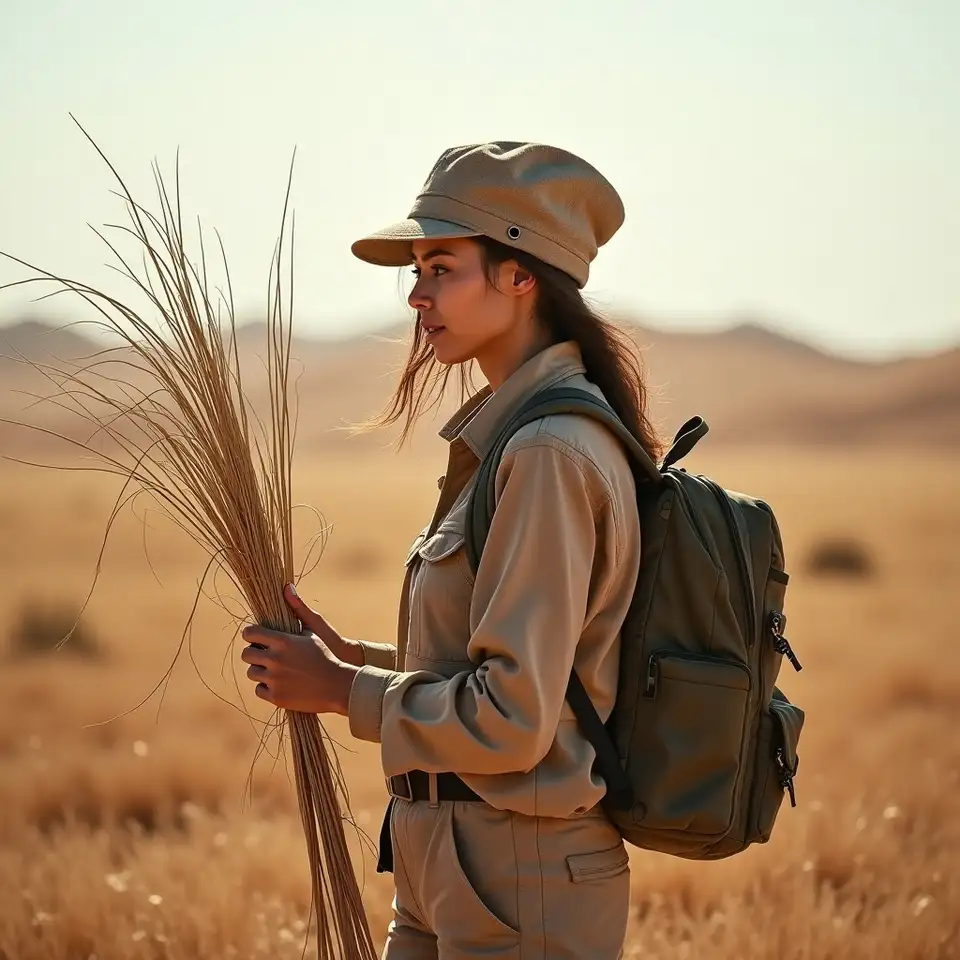
Mara Ellison
Lead Harvest Coordinator
«I have been harvesting yucca leaves for twelve seasons. The plant teaches patience. Harvest too early and the fiber is weak; too late and it becomes brittle. I document every cut, every regrowth cycle, and every seasonal variation so others do not have to learn those lessons the hard way.»
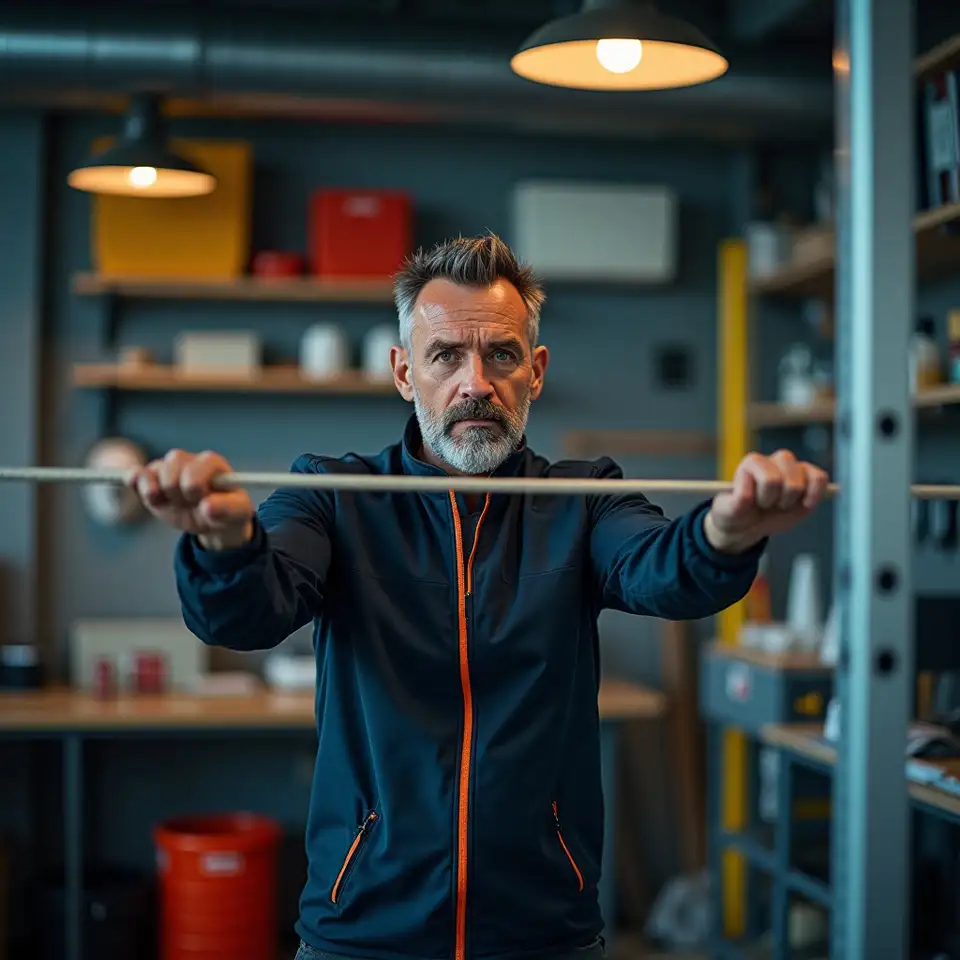
Jonas Reeves
Cordage Testing Lead
«Every piece of cord that carries our name has been load-tested to failure. I run break tests, abrasion trials, and weather exposure experiments. The data does not lie. When we say a three-ply yucca cord holds thirty pounds, that number comes from a physical test, not a guess.»

Sofia Chen
Community Documentation Editor
«I started as a member asking basic questions. Now I organize the archive, verify sources, and make sure every tutorial is clear enough for a first-time harvester. The community grows because newcomers find answers instead of gatekeepers.»