Kathoalromciankeansu
Desert fiber, twisted by hand

Projects That Prove the Fiber
Handmade yucca cordage moves beyond the tutorial into real objects: baskets that carry, bracelets that endure, fishing line that holds, and decorative work that honors the material.
Skeptics ask what yucca cordage is good for. These projects answer. Each piece was made
by a community member using techniques documented on this site, then put to daily use.
The wear marks are honest. The failures are documented alongside the successes. Nothing
here sits on a shelf untouched.
Cordage in Action
Community members submit photographs and build notes for projects that test yucca fiber in real conditions. The archive grows as techniques improve and applications expand.

Woven Wrist Band
A simple over-under weave of two contrasting yucca cords, one lightly bleached
in sun and one left natural. The closure is a toggle formed from a hardwood
bead. Worn daily for eight months through swimming, climbing, and manual labor,
the bracelet darkened but did not weaken at stress points.
Plain weave
Toggle closure
Guided Project Builds
Structured sessions walk participants through a complete cordage project from raw material to finished object. Each workshop focuses on one application, ensuring that participants leave with a functional piece and the skill to replicate it independently.
Basket Weaving
Coiled construction
Participants harvest and process their own yucca fiber, then learn the continuous coil technique used for storage vessels. The workshop covers core preparation, stitch tension, shaping methods, and finishing edges. By the end, each person completes a small basket suitable for dry goods. The three-day format allows proper retting time between sessions. No prior weaving experience is assumed.
- Harvest timing and fiber selection for basket-grade material
- Core preparation and stitch spacing for even walls
- Shaping increases and rim finishing techniques
Fishing Line
Fine cord for tackle
This workshop produces cordage thin enough for hand-line fishing while retaining sufficient strength to land small species. Participants work with the finest fibers from leaf margins, learning to maintain twist in diameters below two millimeters. The session includes knot selection for terminal tackle and testing methods to verify line integrity before use.
- Fiber selection from leaf margins for fine diameter
- Maintaining twist angle in thin cord without breakage
- Knots and splices specific to fishing applications
Harvest Intensive
Field to fiber
A single-day field session focused entirely on identification, sustainable cutting, and
initial processing. Participants visit established yucca stands, learn to read plant
health and regrowth patterns, and practice retting setup in real conditions. The
workshop emphasizes ethical harvest: taking only outer leaves, cutting at correct
angles, and documenting stand location for future monitoring.
- Botanical identification of harvest-ready yucca species
- Cutting angles and quantities that promote regrowth
- Field retting setup and environmental considerations
Seasonal Project Ideas

Cordage practice stays alive through variation. In spring, when sap runs strong and fiber is most pliable, focus on fine work: fishing line, jewelry, and decorative knotwork. Summer heat dries fiber quickly, making it ideal for structural projects like baskets and tool wraps that benefit from stiff, even cord. Autumn brings the last harvest window before dormancy; process extra fiber for winter months when outdoor work is limited. Winter is repair season: splice worn cord, replace frayed bindings, and plan next year's projects based on what failed and what held. Each season offers a different relationship with the material. Ignoring seasonal variation produces mediocre work. Respecting it produces cordage that improves year after year.
- ME
- JR
- SC
4.8 Community trust score
Real builds, real use, real feedback
The project archive exists because finished cordage teaches lessons that tutorials cannot. A bracelet worn through a season of climbing reveals abrasion patterns no laboratory test predicts. A basket used for kitchen storage shows where moisture affects fiber integrity. Community submissions make this knowledge collective rather than individual.
Submit yours
Project submissions are reviewed for accuracy and completeness before publication. The editorial team verifies that techniques described match photographs, that fiber sources are plausible, and that wear reports are consistent with the construction method claimed. This process protects the archive's reliability.
Send project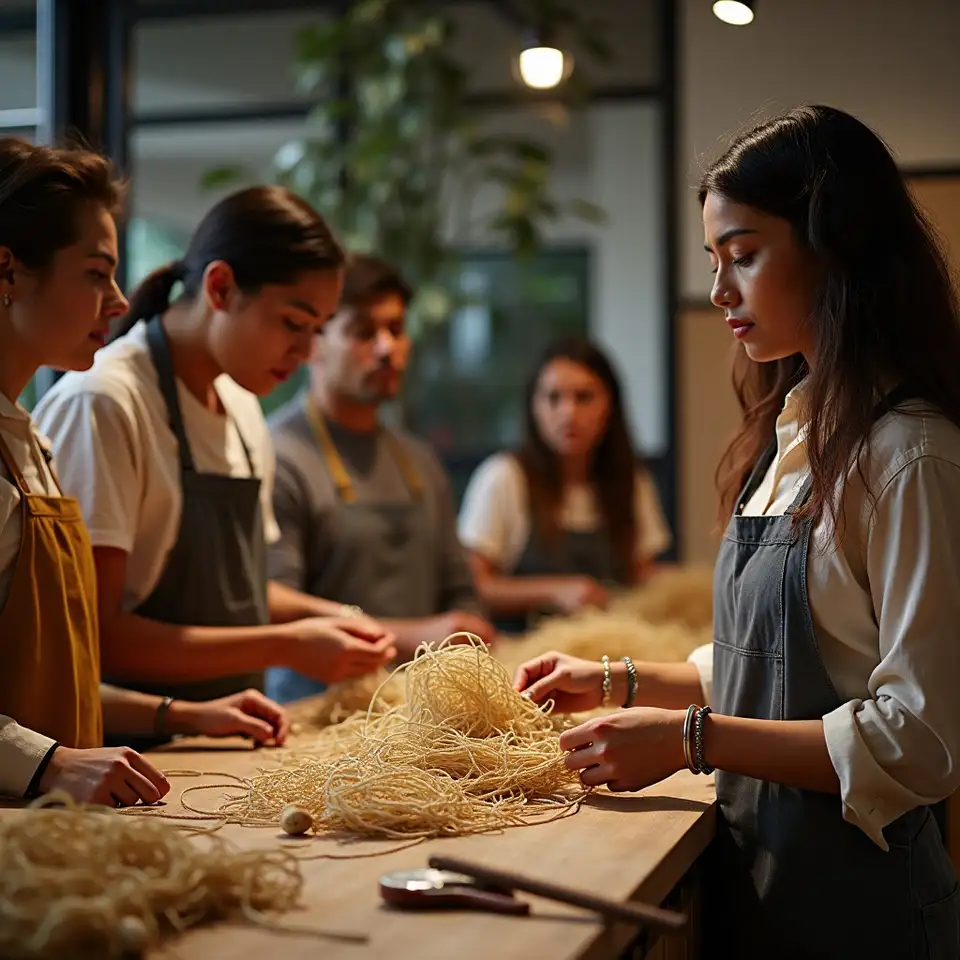
Projects
47 builds
Community projects documented and tested
Every project in this archive has been made by a real person, used in real
conditions, and documented with honest notes about what worked and what
failed.
Submit your own build to join the archive. Include photographs, fiber source details, and a candid wear report.
Coiled Storage Basket